
Exploring the Intricacies and Evolution of Mahjong: The Traditional Game’s Global Impact
Mahjong, a game steeped in tradition and cultural significance, has captivated players worldwide with its complexity and strategic depth. Originating from China, this beloved game has transcended its historical roots to become a global symbol of leisure and excitement. Though the traditional aspects of Mahjong remain intact, recent developments in the digital arena, exemplified by platforms like 7359 bet.br, have rejuvenated interest and participation across different age groups and cultures.
The Historic Roots of Mahjong
The origins of Mahjong are believed to date back to the late Qing dynasty, with some historians suggesting even earlier beginnings. Initially played by the elite circles in China, Mahjong quickly gained widespread popularity, symbolizing not just a game but an integral part of Chinese culture. The game comprises a complex system of tiles, each inscribed with traditional Chinese symbols and characters. This ensures that Mahjong is not merely a pastime but a cultural artifact, displaying China's rich historical tapestry.
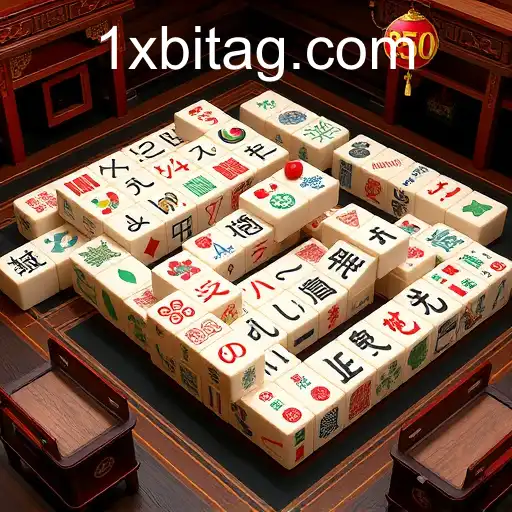
Traditionally, Mahjong is played using a set of 144 tiles based on Chinese characters and symbols. The game has several regional variations, each with its own unique set of rules and tile combinations. This diversity within the game reflects the rich cultural nuances present across different areas in China, allowing Mahjong to foster a sense of regional pride and identity.
Mahjong's Journey to the West
As global trade opened up during the early 20th century, Mahjong found its way to Western countries, captivating a completely new audience. Westerners embraced the exotic appeal and strategic nature of Mahjong, leading to increased production and availability of Mahjong sets internationally. In the United States, for example, the 1920s saw a remarkable surge in the game’s popularity, with Mahjong becoming a fashionable pastime for Americans.
The adaptability of Mahjong is one of the key factors behind its successful acceptance worldwide. In various countries, players have adapted local sets of rules to reflect cultural preferences and gaming inclinations, though the fundamental principles of the game remain unchanged. This adaptability has ensured Mahjong's place in diverse gaming landscapes across the globe.
The Digital Transformation of Mahjong
With the advent of technology, Mahjong has transformed remarkably in its digital form, becoming more accessible to a broader audience. The integration of Mahjong into online platforms and apps has offered players the convenience of enjoying this cherished game anytime, anywhere. An exciting aspect of this transformation is the rise of platforms like 7359 bet.br, which introduce a betting element, providing an additional layer of excitement to traditional gameplay.
At 7359 bet.br, players are not just engaging in a casual round of Mahjong; they are immersing themselves in a competitive environment, harnessing their strategic prowess to win bets. The platform connects players around the world, allowing them to participate in real-time games and challenges, thus fostering a global Mahjong community. Such platforms have enhanced the game's reach and engagement, particularly among the younger, tech-savvy population.
Mahjong’s Cultural Significance
Beyond its entertainment value, Mahjong holds substantial cultural significance. In many societies, especially in China, it is considered more than just a game; it is a social activity that brings families and communities together. Playing Mahjong is often associated with celebrations and social gatherings, symbolizing unity and shared enjoyment.
Moreover, Mahjong is acknowledged for its cognitive benefits, promoting strategic thinking, memory enhancement, and social interaction. Its intricate rules and multifaceted gameplay challenge players, encouraging them to hone their analytical and decision-making skills. Mahjong enthusiasts often praise the game for improving mental acuity and offering a stimulating intellectual challenge.
Mahjong and Health: Cognitive Benefits
Numerous studies suggest that engaging in games like Mahjong can have positive effects on mental health and cognitive abilities. Frequent play is associated with improved memory function, sharper focus, and enhanced problem-solving skills. For elderly players, Mahjong provides an enjoyable way to maintain cognitive vitality, counteracting the effects of aging on the brain.
In addition to its cognitive benefits, Mahjong serves as a social facilitator, promoting interaction and bonding among players. Whether played in person or via platforms like 7359 bet.br, it provides social engagement, which is crucial for emotional well-being and mental health.
The Future of Mahjong: Sustaining Tradition in a Modern World
As Mahjong continues to evolve and adapt to changing times, its future appears promising. The synergy between tradition and modernity is perhaps best encapsulated by the seamless integration of Mahjong into digital platforms, making it accessible to an ever-growing audience. By bridging the gap between traditional gameplay and contemporary technology, Mahjong remains relevant, offering both cultural heritage and innovative experiences.
Platforms such as 7359 bet.br highlight the game's versatility and enduring appeal, ensuring that new generations can experience the cultural legacy and strategic sophistication of this timeless game. Whether as a social tool, a competitive sport, or a cognitive enhancer, Mahjong's rich cultural lineage and adaptability position it as a game with enduring global influence.